
Transition Services
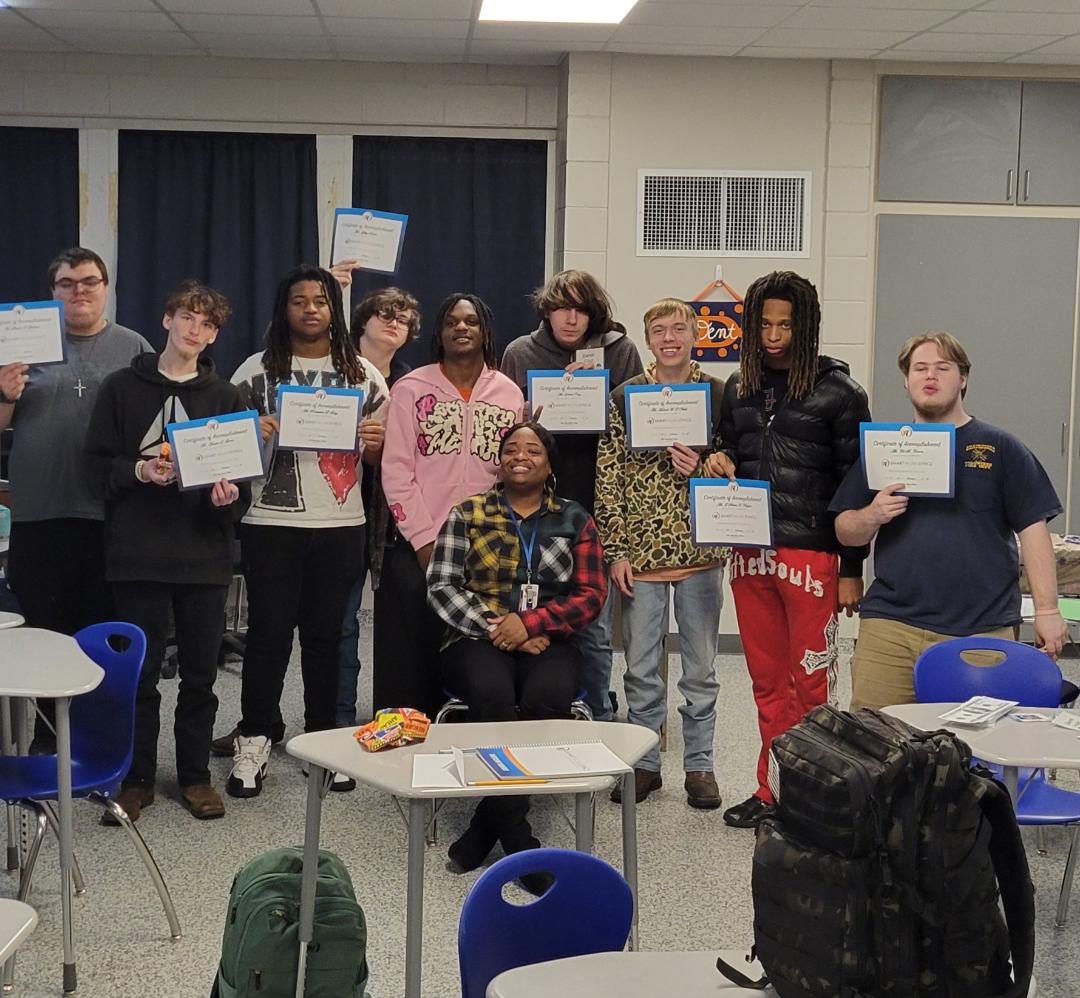
The Achievement Center Easterseals provides pre-employment transition services to students with disabilities referred to us by the Vocational Rehabilitation Division of the Alabama Department of Rehabilitation Services enrolled at high schools in Lee, Macon, Chambers, Russell, and Tallapoosa counties. Students have the opportunity through assessments, classes and tours to discover career interests, explore possible college pathways, engage in hands-on job readiness training, and gain knowledge on how to successfully conduct job searches.
Career Interest Inventory– Interest inventories given at the school to transition students still enrolled in high school. Inventories are administered to identify student interests and explore potential future vocations.
Job Readiness Classes (1-hour)– The Job Readiness curriculum is designed and continually enhanced with input from employers and educational entities. The intent of the class is to equip transition students with the knowledge, skills, and qualities needed to meet the expectations of employers. Topics offered:
- Career Exploration- Hands on simulations allow students to enter a virtual training facility showcasing different career paths. Students virtually maneuver through different work environments and perform tasks associated with specific jobs. This allows students to understand their career options, experience what it’s like to work in different careers, and ultimately get a path to a well-paying job.
- Soft Skills/Social Skills- A class designed to help the student understand the essential use of soft skills and to gain a better understanding of effective communication. It will teach students how to communicate at home, in school with peers and teachers, and at work with supervisors and co-workers.
- Job Seeking- The curriculum is designed to prepare students with the essential skills required to successfully search for, attain, and maintain employment. It encourages students to understand the time, effort, and planning involved in securing a job and emphasizes the importance of preparation and professionalism throughout the job-seeking process.
- Employer Expectation- Designed to help transition students understand what potential employers look for and expect from potential candidates and employees.
- Decision Making- Designed to help transition students recognize the importance of actively participating in the decisions that impact their lives. The curriculum addresses both personal and professional decision-making, encouraging students to consider how their choices influence their future. The class supports the development of independence and self-advocacy.
- Body Language- Helps students understand the difference between verbal and non-verbal communication, with a focus on the critical role body language plays in everyday interaction. The course builds awareness of how gestures, posture, facial expressions, and eye contact can convey messages.
- Conflict Resolution- Helps students develop effective strategies for addressing and resolving conflicts with teachers, peers, authority figures, supervisors, and co-workers.
- Financial Literacy- Equips students with foundational knowledge and skills related to managing personal finances. It introduces students to fundamentals of how money operates in everyday life covering topics like earning, budgeting, saving, and investing.
- Social Media- Helps develop a clear understanding of appropriate versus inappropriate on-line behavior. The course emphasizes the importance of mindful content sharing across various digital platforms and equips students with the knowledge to cultivate responsible social media habits.
- Teamwork/Positive Attitude- A course designed to help students develop the interpersonal skills necessary to work effectively and cooperatively with teachers, peers, authority figures, supervisors, and co-workers. It emphasizes the value of maintaining positive attitude in both academic and professional environments.
- Self-Advocacy-Helps develop independence by making informed decisions and effectively expressing their academic needs. The class focuses on helping students recognize their individual learning strengths and cultivating the skills necessary to communicate their needs and request appropriate accommodations.
Smart Work Ethics– A comprehensive curriculum designed to develop essential employability skills. The program consists of 8 structured sessions that equip students with practical workplace competencies such as effective communication, teamwork, time management, and personal responsibility.
Workplace Tours– Workplace tours provide students with the opportunity to visit local businesses within the community to gain firsthand insight into various industries. During these visits, students learn about the company’s operations, job roles, salary ranges, workplace expectations, and potential employment opportunities. These tours are designed to help students make informed career decisions and better understand the skills and qualifications required in different fields.
College Tours– Students are taken to visit local colleges and universities, providing them with the opportunity to explore campus facilities, learn about academic programs, and gain insight into college life. These visits often include guided tours, informational sessions with admissions staff, and interactions with current students. The goal is to help students make informed decisions about their post-secondary education by exposing them to the college environment and the various pathways available to them.
Job Exploration Training Services (JETS)– A 4 week program where transition students during the summer of the 11th grade come to ACES to receive community-based training at local businesses and earn wages. Transportation to ACES and to training sites is available. ACES staff members will be present part of the day at the work site to follow up with students and employers.